The Future of Personality Assessments in Hiring
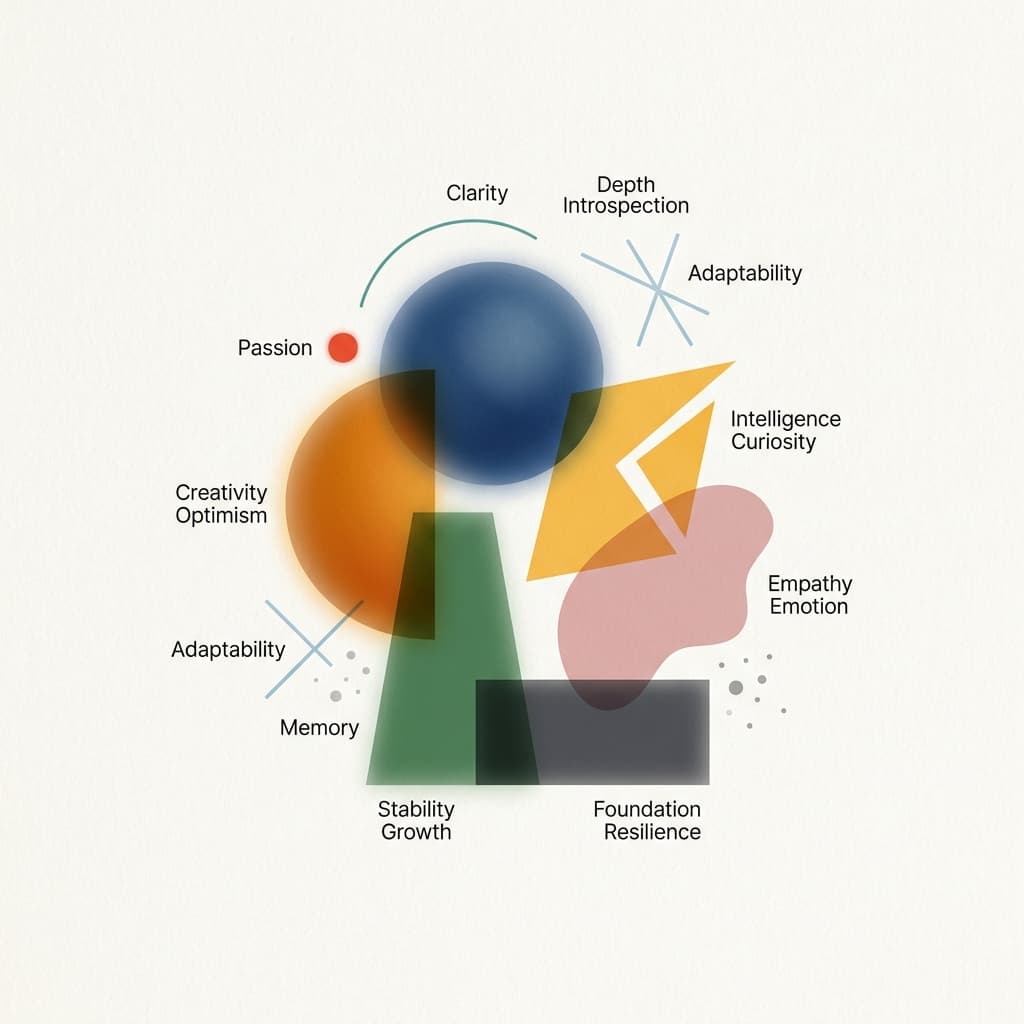
Personality assessments have a controversial history in recruitment. For years, organizations relied on tools like Myers-Briggs (MBTI) or simplistic four-quadrant models, despite widespread criticism from the psychological community regarding their predictive validity. In 2026, the application of behavioral science in hiring has matured significantly, moving away from categorizing people into static "types" toward understanding dynamic behavioral tendencies.
The Shift to Validated Psychometrics
Modern talent acquisition relies on assessments grounded in established psychological frameworks, primarily the Five-Factor Model (Big Five). These assessments don't try to label candidates; instead, they measure traits on a spectrum—such as openness to experience or conscientiousness—which have proven correlations with workplace performance in specific contexts.
"We are no longer asking 'What type of person is this?' We are asking, 'How is this person likely to respond in this specific high-stress environment?'"
From 'Culture Fit' to 'Culture Add'
Historically, personality tests were often misused to hire homogeneous teams under the guise of "culture fit." The modern approach uses these tools to identify "culture add."
- Team Composition Analysis: Advanced platforms map the behavioral profiles of an existing team to identify missing traits. If a team is highly creative but struggles with execution, the assessment can help identify a candidate with strong organizational and follow-through tendencies.
- Manager Alignment: Assessments are used to provide hiring managers with specific guidance on how to best onboard, communicate with, and manage the new hire based on their working style.
The Role of AI in Behavioral Analysis
While traditional self-reported questionnaires remain standard, emerging AI tools are beginning to analyze natural language (from written responses or interview transcripts) to infer behavioral traits. While this technology offers exciting possibilities for passive assessment, it also requires rigorous ethical oversight and bias testing to ensure it doesn't penalize neurodivergent candidates or individuals from different cultural backgrounds.